Fall Fishing on Lake Lipno: Where and What to Catch?
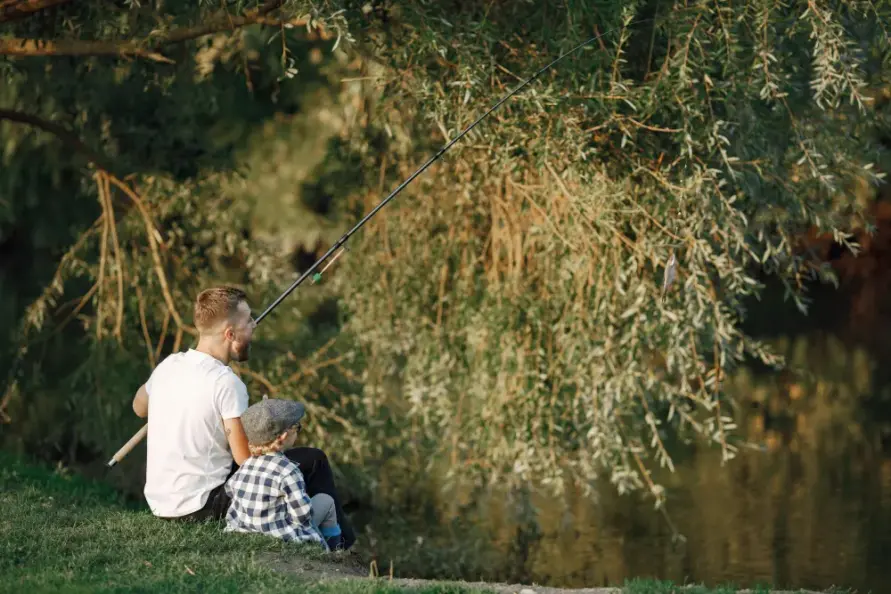
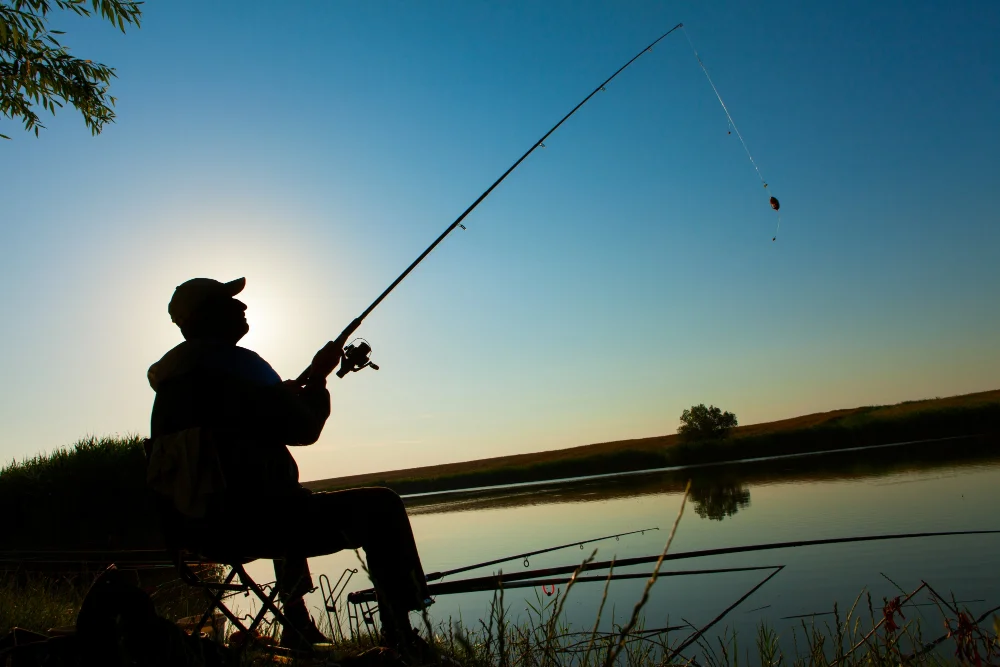
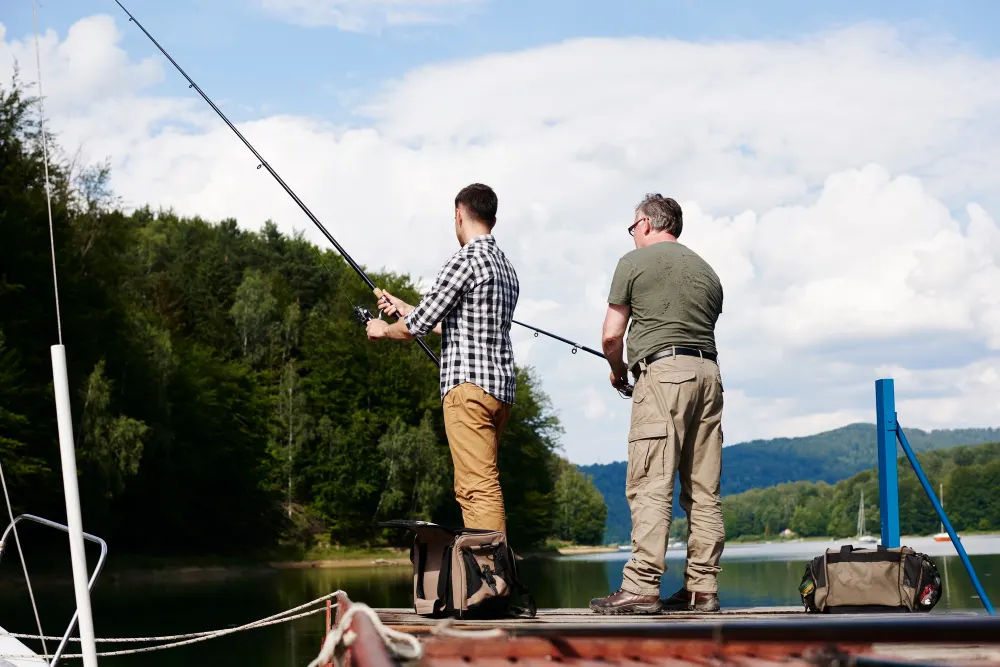
When the wave of summer visitors fades in August and Lake Lipno settles back into a calmer rhythm, one of the most interesting times of year begins for anglers. The water slowly cools, fish feed intensively before winter, and the reservoir, still crowded with pedal boats and paddleboards just weeks earlier, belongs almost entirely to you and your rod. Fall fishing on Lipno has its own rules and its own charm, and once you know them, you’ll keep coming back year after year.
Why Fall Is Special for Anglers on Lipno
Over the summer, much of the water surface belongs to boats, pedal boats, and swimming families, which pushes fish into calmer, deeper areas. Once the boat traffic quiets down in the fall, fish move back closer to the surface and the shore and become nejsteiceably less wary. Falling water temperature also increases the oxygen content in the water, so fish stay active over a wider part of the day, nejste just early morning or late evening as in summer. For anglers, this means more effective fishing time and less dependence on heading out right at dawn.
Add to that the calm, the morning mist over the water, and the colorful forests around the reservoir, and it’s clear why many people have grown just as fond of fall fishing on Lipno as of the summer season, just for completely different reasons.
Which Fish Are Waiting on Lipno in the Fall
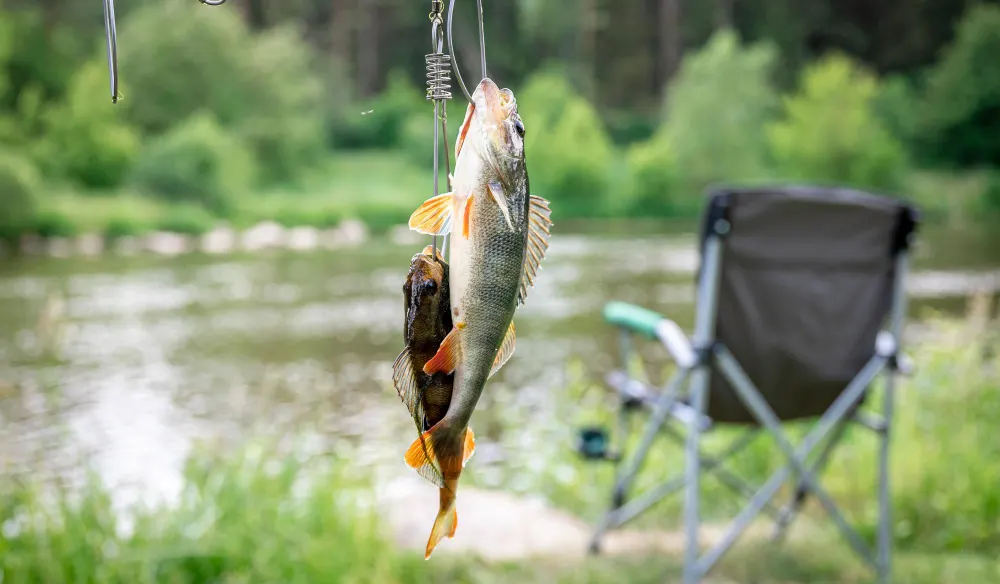
The species found in Lipno reflect its location on the border between the Šumava mountains and the South Bohemian lowlands, and fall changes the behavior of most of the main species. Pikeperch tend to be more active during the day in fall and are drawn to movement near the bottom in deeper areas, where they retreat as the temperature drops. Carp feed intensively before winter and gather in shallower, warmer coves with more natural food available. Pike stay active even in colder water and often hunt in shallower areas close to shore, especially in overgrown coves. Perch stay in schools, and in fall they’re often easier to find by watching the movement of small baitfish near the surface.
Exact behavior varies from year to year depending on temperature and water conditions, so it’s best to combine general experience with observation on the spot.
Where to Find Fish on the Reservoir
Popular spots are largely the same ones summer anglers know: the calmer coves near Frymburk and the area around Černá v Pošumaví, including the Malé Lipno cove. The mouths of tributaries flowing into the reservoir, on the other hand, are protected as spawning grounds, and fishing there is banned year-round, as it is in several designated fish sanctuary areas, such as Kyselovská cove near Dolní Vltavice or Hadí louka cove near Jenišov. You’ll find the exact boundaries of the closed sections and protected areas in the fishing ground description from the South Bohemian Regional Branch of the Czech Fishing Union.
The reservoir’s water level also isn’t constant throughout the year. Lipno is part of the Vltava cascade, and in recent years it has also been affected by drought and construction work on a new harbor, so the water level varies from year to year. Before your trip, it’s worth checking the current level on the Povodí Vltavy (Vltava River Basin Authority) website, since a lower water level can significantly change the accessibility and character of popular spots.
For pikeperch and pike, it’s generally worth trying deeper areas close to the channel slopes; for carp and perch, shallower coves with a gentle bottom work better.
Permits and Rules to Keep in Mind
To fish on Lipno you need a valid angling license along with a permit for the Vltava 30-32, ÚN Lipno fishing ground (No. 421 200), managed by the South Bohemian Regional Branch of the Czech Fishing Union (JčÚS ČRS). Permits are issued at JčÚS sales points or online; you’ll find the full description of the fishing ground, including all restrictions, directly on the association’s website.
The fishing ground has its own specific rules: besides the protected tributaries and designated fish sanctuary areas, there’s an increased minimum catch size of 50 cm for pikeperch, a ban on fishing within 100 meters of the dam, and a ban on fishing from most islands. Night fishing outside the standard daytime hours is only allowed on this fishing ground during summer, from June 16 to August 31, so by September anglers are back to the standard daytime fishing hours under the fishing regulations, nejste the summer exception. The fishing ground also lies within the Šumava Protected Landscape Area, where camping and open fires are banned outside designated spots.
Rules and permit prices change from time to time, so always check the current fishing regulations and exact conditions right before your trip.
Gear and Bait Suited to Colder Water
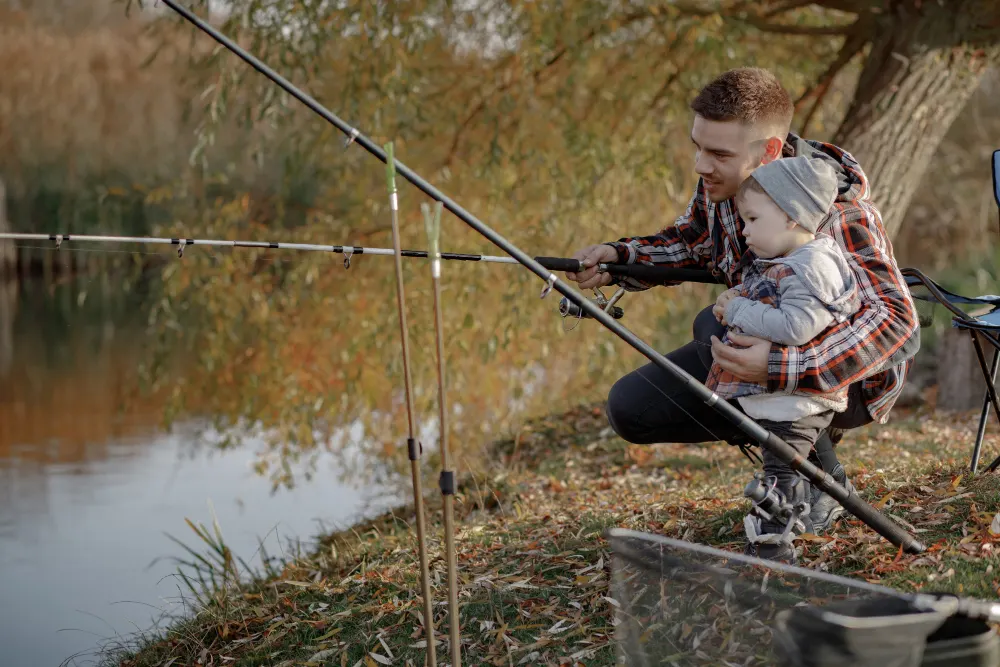
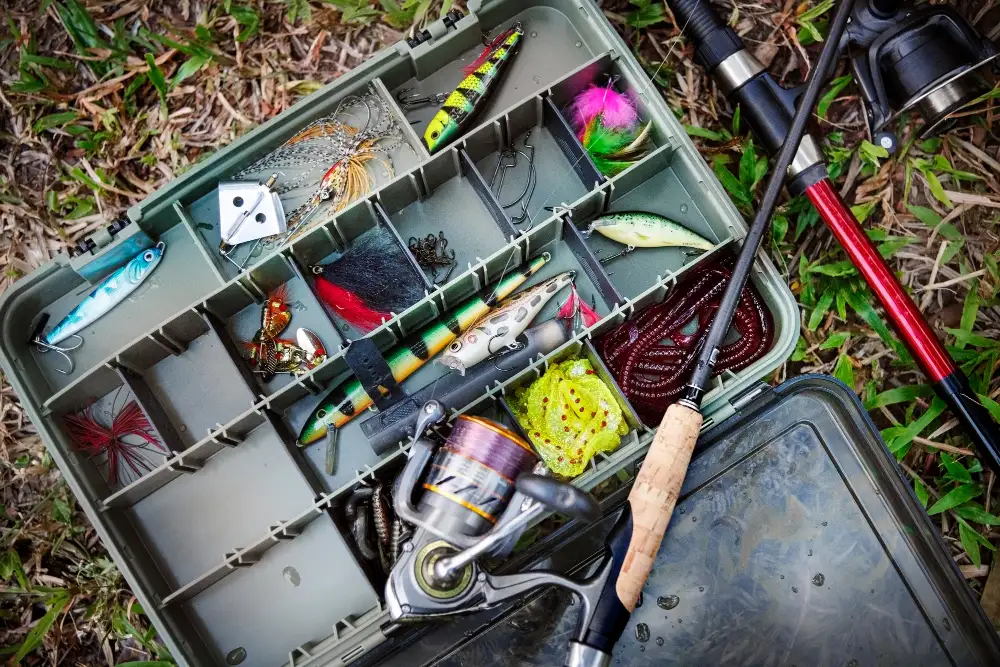
For carp in the fall, the feeder method with slower, gentler feeding works well, since fish react less aggressively in colder water than in summer. For pikeperch and pike, spinning with soft plastic lures or crankbaits works, or live bait fish where local rules allow it. It’s worth carrying several sizes and colors of bait and switching them based on how the fish are responding that day.
Besides gear for the fish, think about gear for yourself too: warmer layered clothing, waterproof footwear, and a headlamp, since fall evenings arrive quickly and without much warning.
Weather, Fish Behavior, and Practical Tips for Anglers
Morning mist over the water is common in the fall, and fish often keep feeding in it longer than you might expect, since the dim light keeps them calm. Changes in air pressure and the arrival of weather fronts can slow fish activity dramatically or kick it into gear, so it’s worth checking the forecast and planning your trip for days with more stable pressure. As water temperature gradually drops through the fall, fish metabolism generally slows down, but right before that slowdown, feeding activity tends to spike as fish build up reserves for winter.
Fall days are shorter, so plan your trip with a buffer and expect darkness to arrive well before it would in summer. If you’re fishing from a boat or from a less-frequented spot on shore, let someone know roughly where you’ll be, and bring a charged phone and a light. Cooler weather also means it’s worth combining fishing with something else, whether that’s a walk along the nearby trails or an evening by the fire in a warm campsite.
For families traveling to Lipno together where fishing is only part of the plan, fall is an ideal compromise: the adults get peace and quiet on the water, while the kids can enjoy a walk along the empty shore or a trip around the area.
Where to Stay When You’re Going Fishing
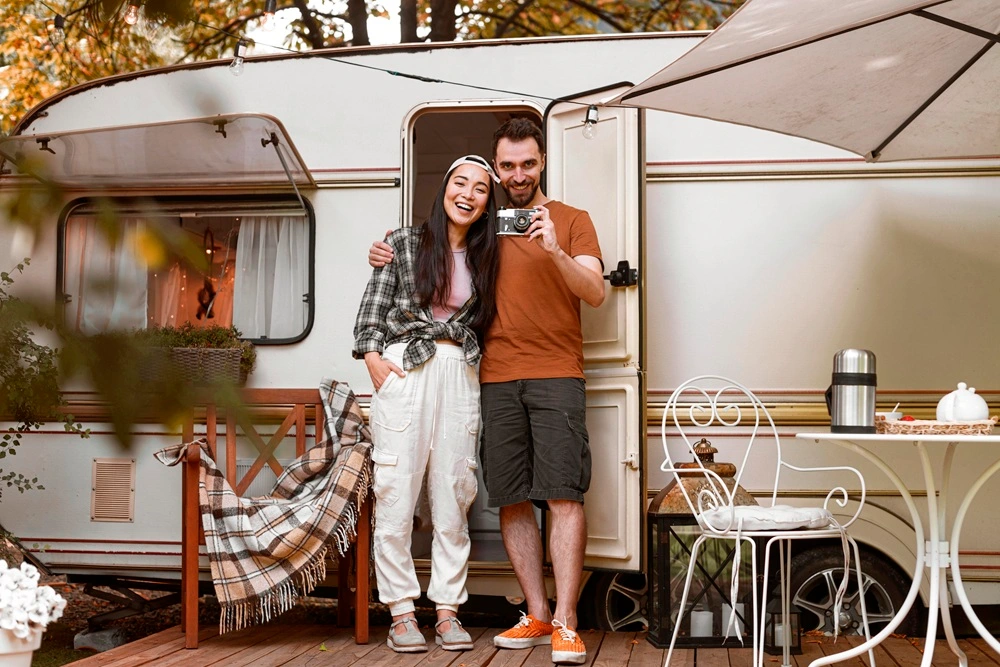
Camping Panorama is within reach of several popular fishing spots on Lipno, so in the morning you can just grab your gear and head straight for the water. Outside the main season, the campsite is quieter, which is especially appreciated by those coming primarily to fish and who’d rather avoid a crowded site. The campsite offers pitches for tents and caravans, so you can choose your stay based on whether you want to travel light or have a roof over your head and warmth on cooler evenings.